Open any marketing feed and someone's declaring it: “SEO is dead, AI killed it.” If you believe that and pull back, you're handing your competitors the most durable lead channel there is. Here's the truth: AI didn't kill search, it raised the bar, and the businesses that adapt are winning more visibility, not less.
Key Takeaways
- SEO isn't dead, it's evolving; AI assistants and Google's AI Overviews are pulling from the same well-optimised, trusted web.
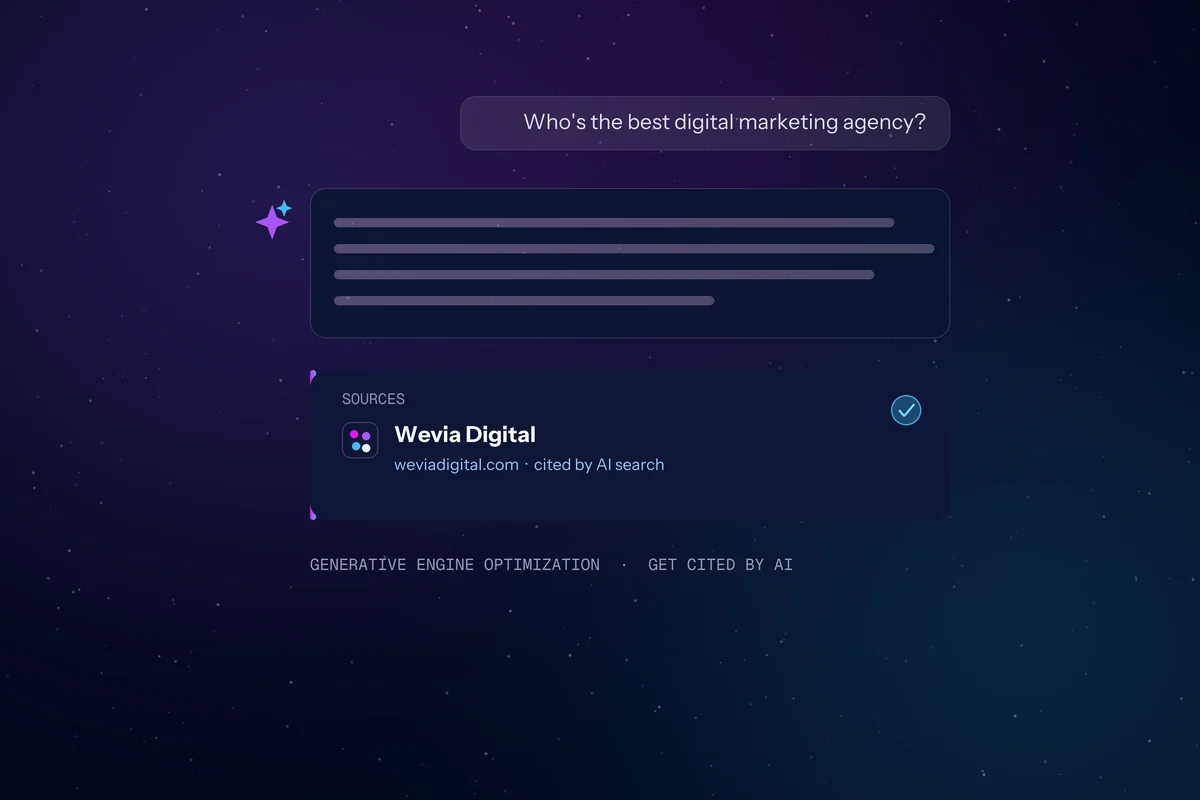
- Getting cited inside an AI answer, generative engine optimization, is the new front line, and it's built on solid SEO.
- Thin, generic content loses in both classic search and AI answers; clear, expert, structured content wins in both.
- Google reports 53% of mobile visitors abandon a page slower than three seconds, and speed still shapes rankings and revenue.
- Structured data and clear answers make your pages easy for both Google and AI to quote.
- Brand mentions and reviews across trusted sites feed AI recommendations even without a traditional backlink.
- Zero-click doesn't mean zero-value; being the cited source builds trust that converts later.
- The businesses investing in search now will be the defaults AI recommends tomorrow.
What Is SEO in the Age of AI Search? Unpacking the Myths
Have you actually watched how you search now? You ask ChatGPT or read a Google AI Overview, and sometimes you never click. That shift feels like the end of SEO. It isn't, it's a change in where visibility happens. AI answers are assembled from web pages, so the work of being clear, credible, and well-structured matters more than ever. The myth is that optimisation is pointless. The reality is that optimisation is what gets you into the answer.
The Difference Between Traditional SEO and AI Search Optimization
Traditional SEO earns a ranking for a URL. AI search, and the discipline of generative engine optimization, earns your brand a mention inside the answer. They share the same foundations: a fast site, clear content, structured data, and real reputation. One gets you a blue link; the other gets you named as the source.
Key Features That Make Content Win in Both
Three things win in classic and AI search alike: content that answers a question directly, structured data that machines can read, and a brand that trusted sites mention, the core of our SEO services and AI marketing work. Nail those and you show up whether someone clicks or asks. Ignore them and you fade from both. So why do so many businesses panic instead? A myth.
Common Misconceptions: The Truth Behind AI and Search
The loudest false belief is simple: “Nobody clicks anymore, so why optimise?” It's catchy and it's wrong. People still click, they just click more selectively, and being the trusted, cited answer is what earns that click.
Quality Concerns: Is Optimising Still Worth It?
Yes, more than ever. AI assistants reward the same signals as Google, clarity, expertise, structure, so good SEO is now double-duty. The businesses cutting content are simply removing themselves from the answers.
Trust Concerns: What to Look For in an Agency Now
Plenty of agencies are rebranding old tactics as “AI SEO”. Before you trust anyone, insist on:
- A plan that covers both traditional rankings and AI citations, not buzzwords.
- Real examples of structured data, clear content, and earned mentions.
- Reporting tied to leads and visibility, not vanity metrics.
Standards Comparison: Chasing Hacks vs Building Authority
Chasing the latest “LLM hack” is a treadmill. Building genuine authority, clear answers, structured pages, and a trusted brand, is what both Google and AI reward, durably. On the searches that matter, substance beats tricks. The takeaway? You can't game AI search, but you can earn it.
The Real Business Impact: Why Search Still Drives Revenue
Why does this matter more in 2026 than ever? Because the businesses that adapt now compound an advantage while the panickers retreat. Here's what's at stake:
- AI Overviews and assistants cite trusted, well-structured pages, so the work of ranking now also earns you AI visibility.
- Google reports 53% of mobile visitors leave a page slower than three seconds, so technical health still directly affects revenue.
- Brand mentions and reviews across the web feed AI recommendations, turning reputation into a compounding asset.
Search didn't shrink, it split into clicks and citations, and the businesses that earn both own the moment a customer decides.
What You Should Do
Adapt this week:
- Add clear, direct answers and structured data to your most important pages.
- Audit your site speed and fix anything over three seconds on mobile.
- Start earning brand mentions and reviews on the sites your customers trust.
Getting Started and Staying Ahead: Optimizing for Google and AI
Say you've decided to adapt instead of retreat. Here's how to do it right, and how to know it's working.
Getting It Done Right
You can start the basics yourself, but for real results an expert pays for itself. Why?
- Speed: a specialist implements structure, schema, and speed fixes in weeks, not months.
- Focus: you run the business; an expert tracks how Google and AI actually cite pages.
- Safety: chasing spammy “AI hacks” can backfire, and a pro keeps you on durable ground.
Warning Signs Your Strategy Is Stuck in the Past
Watch for these red flags:
- Your pages don't answer questions directly, so nothing is quotable.
- You have no structured data on key pages.
- Your brand rarely appears on trusted third-party sites.
- You're chasing hacks instead of building authority.
Your Ongoing Maintenance Checklist
Stay ahead with a simple monthly routine:
- Publish or refresh one page with a clear, quotable answer up top.
- Add or update structured data where it helps.
- Earn one new brand mention or review on a trusted site.
- Ask AI assistants your customers' questions and note whether you appear.
- Check speed and technical health on key pages.
Do this consistently and AI search becomes an opportunity, not a threat. You become the business that's cited, clicked, and chosen, on Google and in AI answers alike. Want a team to run it? Explore our SEO services or book a free strategy call.